Practical methods that make fresh ingredients easier to use
Learn how preparation, heat, storage and organisation work together through guides written for ordinary home kitchens.
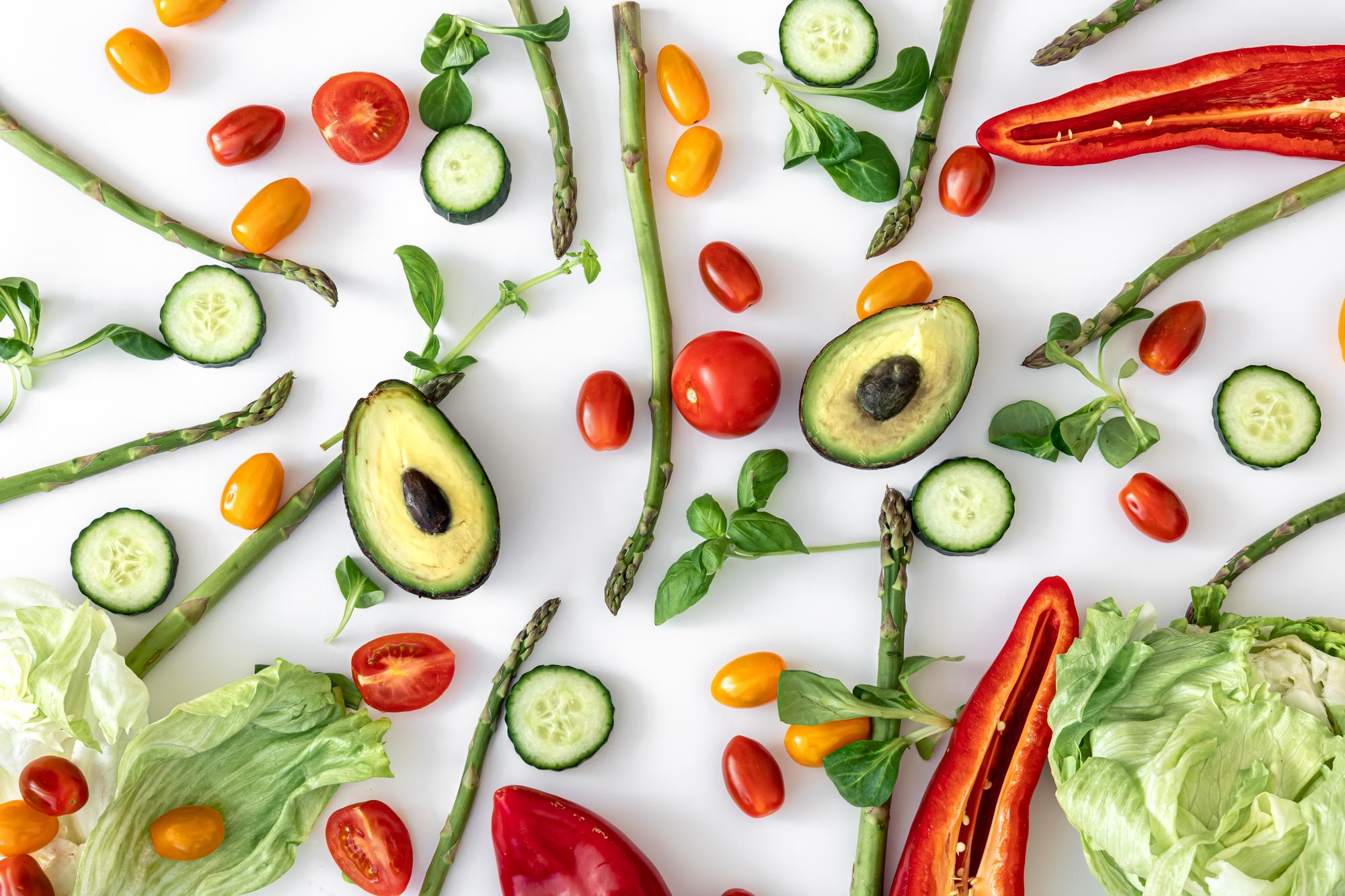
Knife skills and a calmer sequence
Choose a stable board, keep the work area clear and prepare ingredients according to when they enter the dish. Aim for consistent pieces so they cook at a similar pace.
- Wash and dry produce before cutting.
- Use separate areas for ready-to-eat ingredients and uncooked items.
- Group aromatics, main ingredients and finishing elements.
Roasting, steaming and grilling
Roasting concentrates flavour through dry heat, steaming supports delicate textures and grilling adds direct browning. The right method depends on thickness, moisture and the result you want.
- Leave space around vegetables when roasting.
- Keep steaming liquid below the food.
- Dry surfaces before grilling for clearer browning.
Keep produce useful for longer
Store ingredients according to their moisture and ripening needs. Leafy greens benefit from gentle airflow and managed moisture, while herbs can be wrapped or placed upright depending on their stems.
- Label prepared components with the date.
- Cool cooked food promptly before covering.
- Plan the most delicate produce earlier in the week.
Build a pantry around what you cook
A useful pantry is not the largest one. Keep dependable grains, seasonings, aromatics and finishing ingredients visible, then review them before planning the next shop.
- Place frequently used items within easy reach.
- Group ingredients by function rather than package size.
- Turn leftovers into a planned component for another meal.